GPS accuracy: the decision that matters most
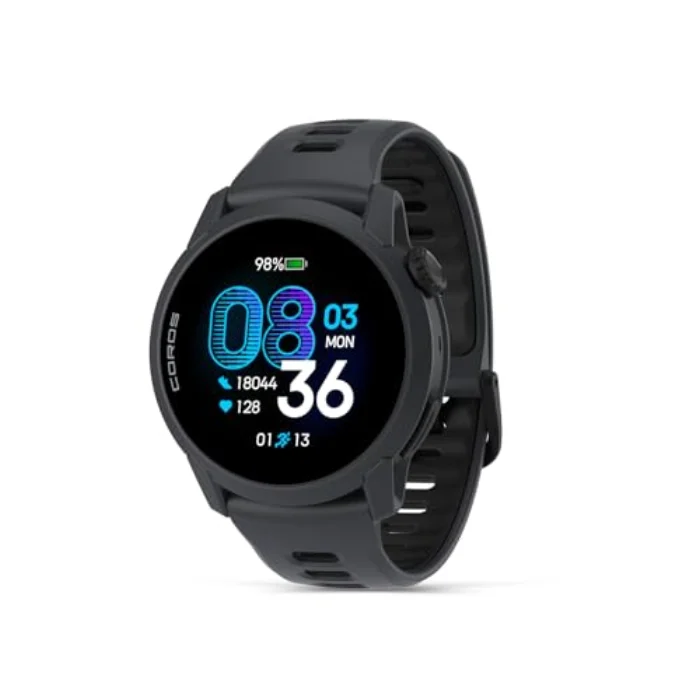
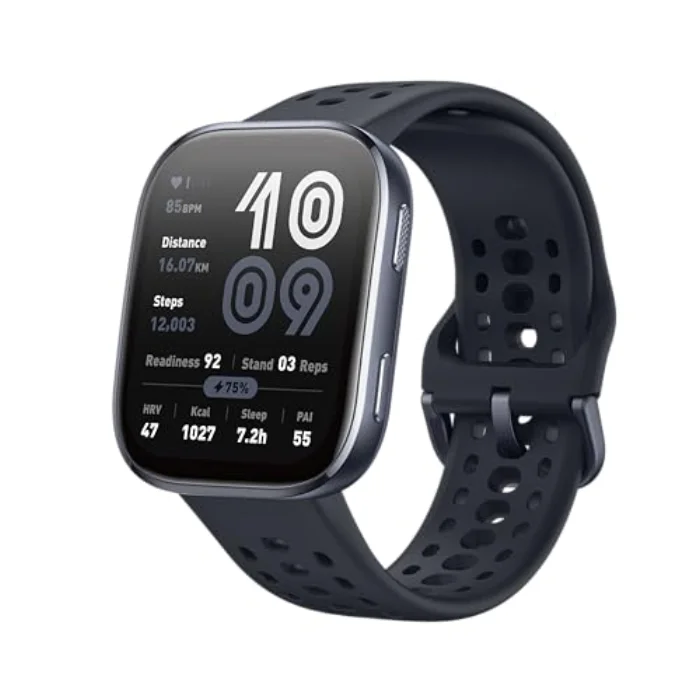
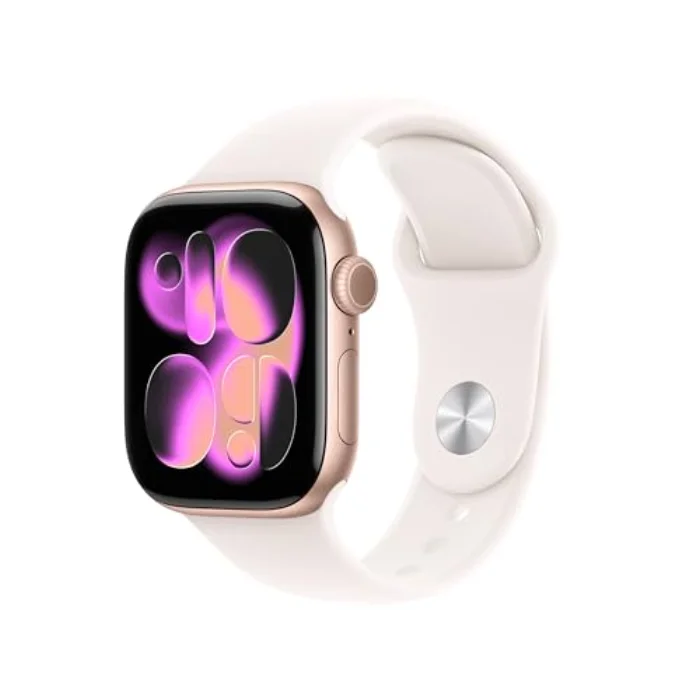
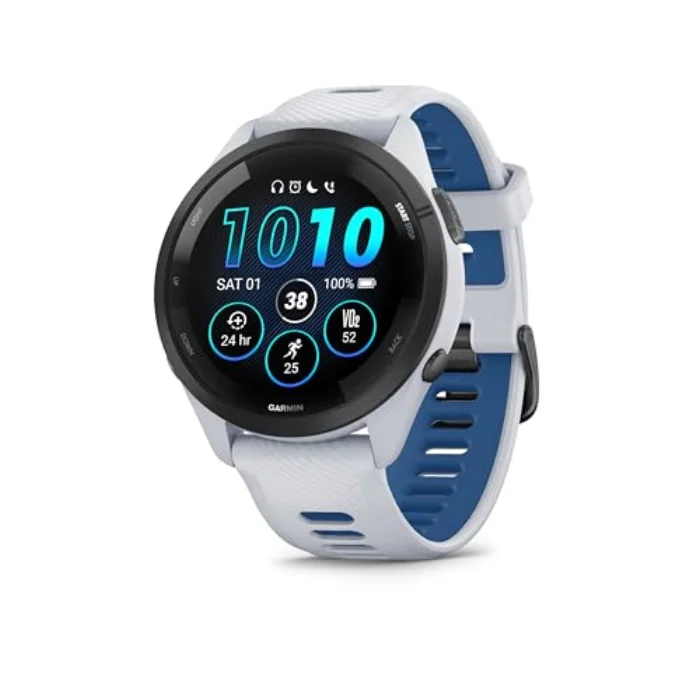
GPS accuracy decides whether your splits are real, and it varies far more than most buyers realise. The dividing line is the chipset. Dual-frequency or multi-band watches receive two satellite signals at once and reject the reflections off buildings and trees that cause most error; single-band watches use one signal and drift more. In our tests around a tape-measured 10 km loop, the dual-frequency Coros Pace 3 was within 0.4%, the Apple Watch Series 9 within 0.9% and the Garmin Forerunner 265 within 1.2%, while the single-band Amazfit Bip 5 drifted up to 3.5% on the same route.
A 3.5% error is more than 1.4 km across a marathon, enough to throw your average pace out by 6 to 8 seconds per kilometre. If you race on accurately measured courses or chase a personal best, pay for a dual-frequency watch; if you run for fitness and only want rough distance, single-band is fine. Our dedicated GPS accuracy explainer covers how multi-band works and why your watch sometimes says you ran further than you did.
Battery life: match it to your longest run
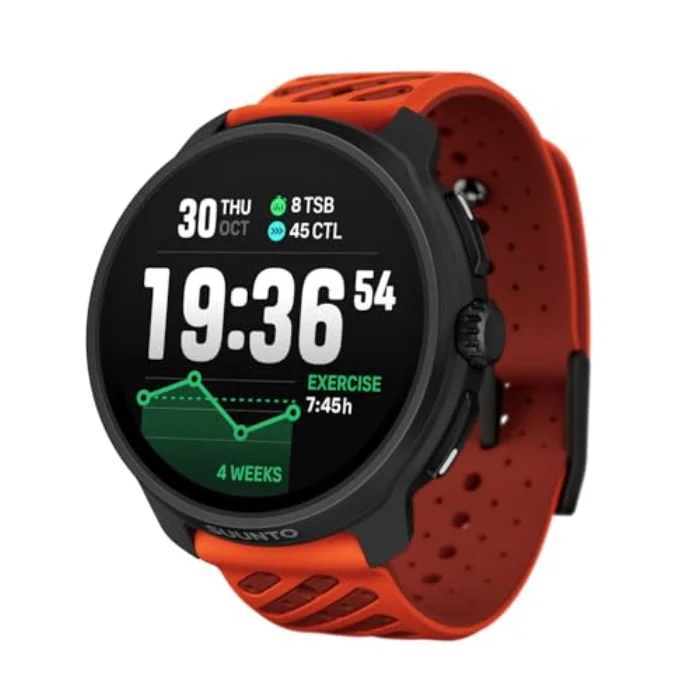
The second decisive number is GPS battery, and the right answer depends on your races. Leave at least an hour of headroom over your longest planned effort: a 4 to 4.5 hour marathon wants 6 hours of GPS to be safe, and a long ultra wants far more. The watches here range from 7 hours on the Apple Watch Series 9 to 38 hours on the Coros Pace 3 and 40 hours on the Suunto Race. Even the budget Amazfit Bip 5 manages 26 hours.
Screen type drives much of this. AMOLED watches look brilliant but draw more power, while memory-in-pixel (MIP) screens are dimmer yet sip battery, often doubling endurance, which is why the Coros and Polar last so long. If you race long or hate charging, prioritise battery; if your races are short and you want a vivid display, a 20-hour AMOLED watch like the Garmin is plenty. Our battery life guide sets out exactly how much you need.
Heart rate: wrist sensor or chest strap?
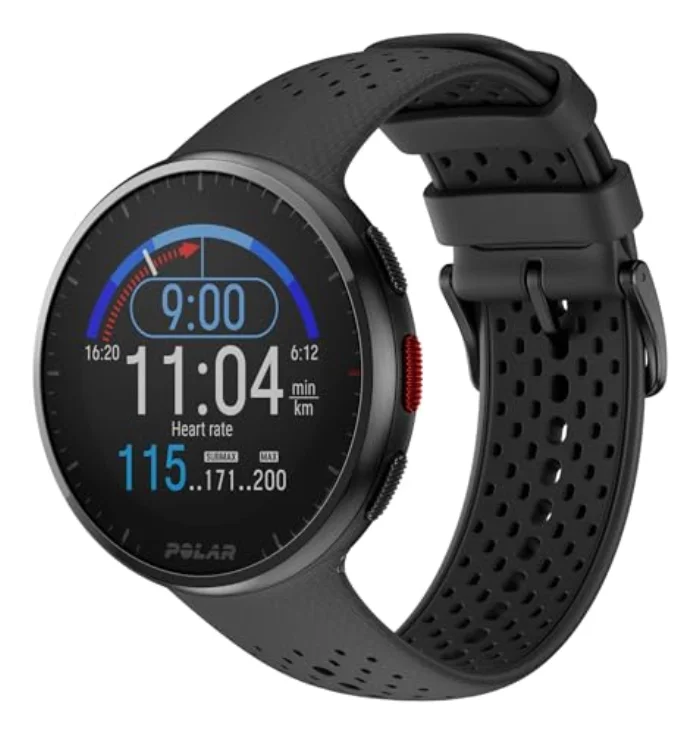
Every watch here reads heart rate from the wrist, and accuracy has improved markedly. The Polar Pacer Pro tracked within 2 bpm of a chest strap on steady runs, and the others were within roughly 4 to 6 bpm in easy efforts. The weakness of all optical sensors shows on hard intervals and in cold weather, where reduced blood flow at the wrist causes lag and spikes. If you train by precise heart-rate zones, a paired chest strap remains the gold standard, and every watch here connects to one over Bluetooth or ANT+. For most steady training, the wrist sensor is good enough.
Screen and weight: comfort you live with
Two often-overlooked factors decide how a watch feels day to day. Screen type is a genuine trade-off: AMOLED, as on the Garmin Forerunner 265 and Suunto Race, is bright and sharp but costs battery; MIP, as on the Coros and Polar, is duller but always-on and far more efficient. Weight matters more than people expect on long runs: the 30 g Coros Pace 3 disappears on the wrist, while the 69 g Suunto Race is noticeable on a fast road session. If you run long or have a smaller wrist, weight is worth weighing as carefully as features.
Features worth paying for, and ones you can skip
A few features genuinely earn their keep. On-board maps, as on the Suunto Race, matter for trail and unfamiliar routes. A good training platform, like Garmin Connect or Polar Flow, turns data into guidance and is worth paying for if you train to a plan. On-board music frees you from carrying a phone. And 5 ATM water resistance is essential if you swim, where the IP68-rated Amazfit Bip 5 will not do.
Other features are nice-to-have rather than deciding factors. ECG and blood-oxygen are health extras most runners rarely use. Touchscreens are pleasant but hardware buttons work better with sweat and gloves. And brand buys you support and resale value, but never substitutes for getting GPS accuracy and battery right first.
How much should you spend?
Running watches split into clear price tiers, and you do not need to reach the top to get accurate tracking. Under £100 buys a capable first watch with single-band GPS and a long battery, like the £59.99 Amazfit Bip 5: fine for fitness running, less so for chasing exact splits. £200 to £230 is the value sweet spot, where the £219 Coros Pace 3 and Polar Pacer Pro deliver flagship-grade accuracy or coaching for half the price of the leaders. £380 to £430 is flagship territory: the Garmin Forerunner 265 at £429.99 and the map-equipped Suunto Race at £379 add brighter AMOLED screens, the deepest training platforms and, in Suunto's case, free maps.
Our firm advice is to spend according to your training, not your aspirations. If you run three times a week for fitness, the value tier is all the watch you will ever use, and the extra £200 for a flagship buys a nicer screen rather than better data. If you race for time, train to a structured plan or head off-road, the flagship features genuinely pay off. The one tier we would steer most runners away from is the sub-£40 bargain bin, where unbranded watches often pair vague GPS with software you cannot trust; the £59.99 Amazfit is the sensible floor.